Get Plumbing Inspection in Denver County, CO
Plumbing inspection services for Denver County homeowners identify leaks, clogs, code violations, and pipe issues in residential and commercial projects to ensure safe, reliable plumbing systems.
Planning plumbing inspections is a practical step for property owners in Denver County, CO, who want to ensure their plumbing systems are functioning properly and identify potential issues early. Whether preparing for a renovation, addressing concerns about leaks, or simply maintaining the integrity of a property, having a professional inspection can provide valuable insights. Local contractors experienced in plumbing inspections understand the unique needs of properties in the Denver area and can help owners make informed decisions about maintenance and repairs.
Exploring options for plumbing inspection services allows property owners to compare local service providers and find the right fit for their specific project. Conducting a thorough inspection can help prevent costly repairs down the line and contribute to the overall safety and efficiency of a property’s plumbing system. Keep reading to learn more about how local contractors can assist with plumbing inspections and support property owners in Denver County, CO, with their planning and maintenance needs.
- Plumbing Inspection - needed when signs of leaks or water damage appear in homes across Denver neighborhoods.
- Drain and Sewer Line Checks - essential before purchasing a property or after discovering slow drains in communities like Capitol Hill.
- Commercial Plumbing Inspection - required for businesses in Denver County to ensure systems meet safety standards and prevent costly outages.
- Water Heater Inspection - recommended when experiencing inconsistent hot water or increased energy bills in residential areas.
- Gas Line Inspection - necessary if there are concerns about gas leaks or after recent renovations involving gas appliances in Denver homes.
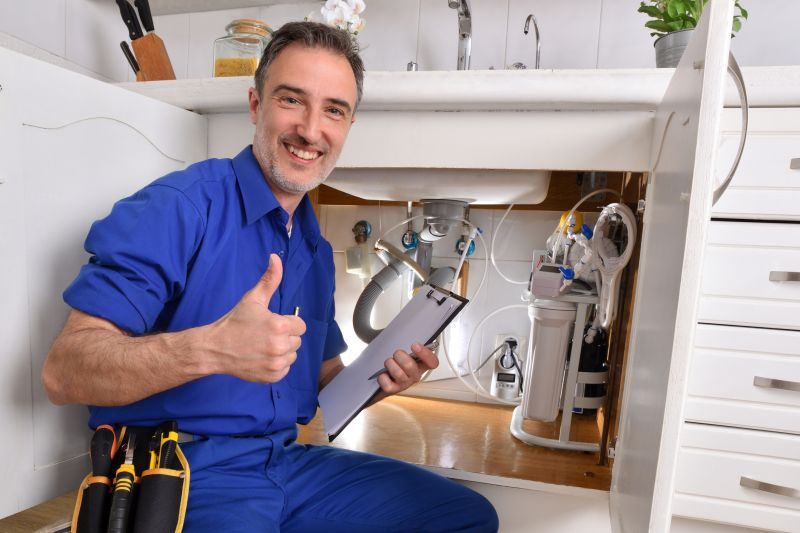
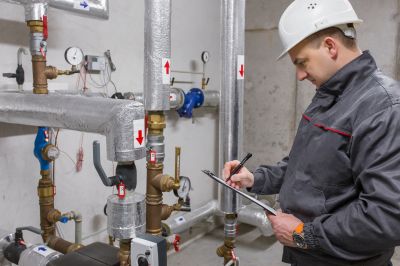
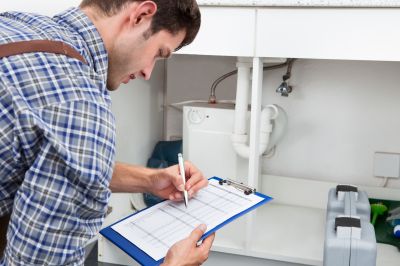
Plumbing inspection services involve a thorough assessment of a property's plumbing system to identify potential issues before they become major problems. During an inspection, a professional contractor will examine pipes, fixtures, drains, and water supply lines to ensure everything is functioning properly and is free from leaks, corrosion, or blockages. This process helps homeowners understand the current condition of their plumbing, catch early signs of trouble, and plan necessary repairs or upgrades to maintain a reliable water system.
These inspections are particularly helpful in diagnosing common plumbing problems such as hidden leaks, pipe corrosion, clogged drains, or low water pressure. Detecting leaks early can prevent water damage and mold growth, while identifying corrosion or deterioration allows for timely replacement of aging pipes. Regular inspections can also reveal issues with sewer lines or drainage systems that might cause backups or foul odors. Addressing these problems early can save homeowners from costly repairs and inconvenience down the line.
Property types that typically benefit from plumbing inspections include older homes with aging pipe systems, new constructions needing a baseline assessment, or properties that have experienced recent renovations. Commercial buildings, rental properties, and multi-family residences also often require regular inspections to ensure all plumbing components are functioning efficiently and meet safety standards. Homeowners planning to sell their property may also opt for an inspection to confirm the plumbing’s condition and avoid surprises during a sale process.
Choosing a qualified local contractor for a plumbing inspection provides peace of mind and ensures the work is done thoroughly. These professionals have experience working with different types of plumbing systems and can identify issues that might not be immediately visible. Whether it’s a routine check-up or a response to specific concerns like recurring leaks or low water pressure, connecting with a trusted service provider can help maintain the integrity of a property’s plumbing system and prevent costly repairs in the future.
The overview below groups typical Plumbing Inspection projects into broad ranges so you can see how smaller, mid-sized, and larger jobs often compare in Denver County, CO.
In many markets, a large share of routine jobs stays in the lower and middle ranges, while only a smaller percentage of projects moves into the highest bands when the work is more complex or site conditions are harder than average.
Smaller Repairs - Typical costs for routine plumbing inspections, such as leak detection or faucet checks, range from $150 to $300. Many local contractors handle these smaller jobs within this range, which covers most standard inspections. Fewer projects extend into higher prices unless additional repairs are needed.
Mid-Size Inspections - Comprehensive inspections of entire plumbing systems usually fall between $300 and $600. This range often includes thorough assessments of pipes, fixtures, and drainage, with most projects landing here. Larger or more complex inspections can push costs higher, but are less common.
Major System Evaluations - For extensive inspections involving detailed diagnostics or inspection of multiple building units, costs typically range from $600 to $1,200. These projects are less frequent and often involve older properties or complex systems requiring more time and expertise.
Full Replacement or Extensive Work - Larger, more complex plumbing evaluations or replacements can exceed $1,200 and reach $5,000+ in some cases. Such projects are less common and usually involve significant upgrades, extensive repairs, or system overhauls requiring specialized service providers.
Actual totals will depend on details like access to the work area, the scope of the project, and the materials selected, so use these as general starting points rather than exact figures.
Drain and Sewer Line Inspections - Local contractors use specialized cameras to inspect underground pipes, similar to plumbing inspections, to identify blockages or damage.
Water Leak Detection - Professionals employ leak detection tools to locate hidden leaks in plumbing systems, requiring skills comparable to those used in plumbing inspections.
Fixture and Faucet Installations - Installing and inspecting fixtures involves understanding plumbing connections and ensuring proper operation, aligning with plumbing inspection techniques.
Water Heater Inspections - Inspecting water heaters for safety and functionality involves similar planning and assessment skills as general plumbing inspections.
Backflow Prevention Testing - Testing and installing backflow preventers require knowledge of plumbing systems, akin to conducting comprehensive plumbing inspections.
Pipe Repair and Replacement - Repairing or replacing damaged pipes involves planning and using tools similar to those used during plumbing inspections to ensure system integrity.
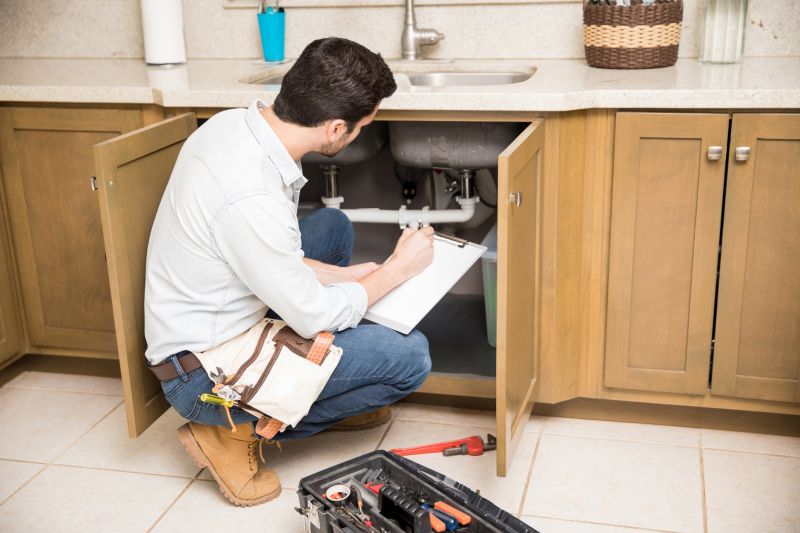
When comparing plumbing inspection service providers in the Denver County area, it’s important to evaluate their experience with similar projects. Homeowners should look for local contractors who have a track record of handling inspections comparable to the scope of their needs. Asking about the types of properties or systems they have inspected before can provide insight into their familiarity with specific plumbing setups, ensuring they understand the unique aspects of your home’s plumbing system. This background can help ensure the inspection is thorough and tailored to your particular situation.
Clear, written expectations are essential to avoid misunderstandings and ensure both parties are aligned on what the inspection will cover. Homeowners should seek service providers who can articulate their process and what the inspection entails in a detailed, written format. This documentation helps clarify the scope of work, deliverables, and any follow-up steps, making it easier to compare options objectively. Having these expectations clearly outlined also provides a reference point should questions or concerns arise during or after the inspection.
Reputable references and strong communication skills are key indicators of a dependable service provider. Homeowners are encouraged to ask for references from previous clients who had similar inspections, as this can reveal the contractor’s reliability and quality of work. Additionally, good communication-prompt responses, clear explanations, and a willingness to answer questions-can make the entire process smoother and more transparent. Remember, the site introduces homeowners to local service providers capable of performing the work, but it does not perform the inspections itself. Carefully considering these factors can help ensure that the chosen contractor is well-qualified to meet the specific needs of the home.
Property owners in Denver County, CO use Plumbing Inspection services for practical projects around their homes and businesses. This guide focuses on everyday jobs and straightforward project options.
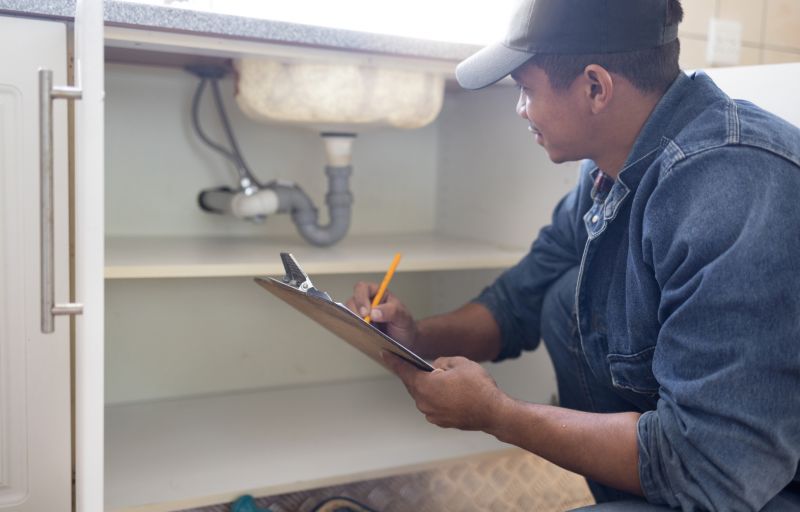
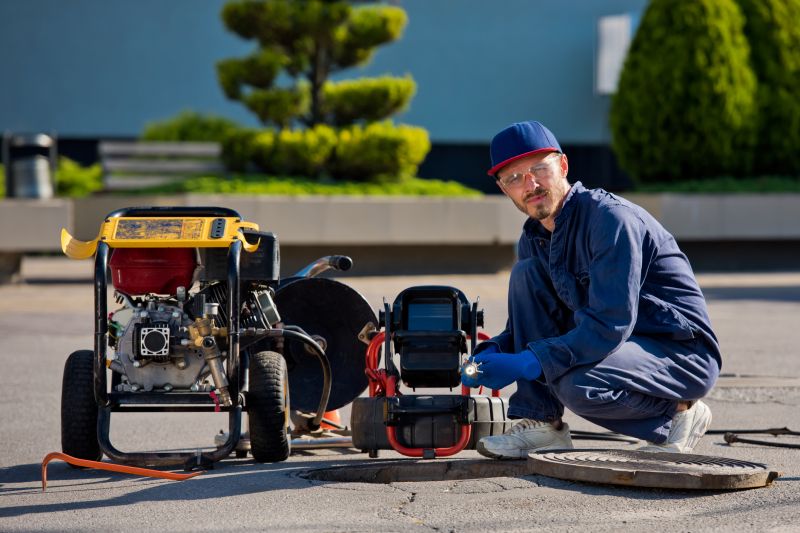
Plumbing inspection services are often needed when property owners in Denver County, CO suspect issues with their plumbing systems or want to ensure everything is functioning properly. Common situations include preparing for a home sale, where a thorough inspection can identify potential problems before listing the property. Homeowners may also seek inspections after noticing signs like slow drains, unusual odors, or recurring leaks, to determine if hidden issues could lead to costly repairs down the line.
In addition, property owners might look for plumbing inspections when installing new fixtures or appliances, such as water heaters or dishwashers, to confirm proper connections and prevent future problems. Regular inspections can also be part of routine maintenance, helping to catch early signs of corrosion, pipe wear, or other concerns that could impact the reliability of the plumbing system. Local contractors who specialize in plumbing inspections can provide the expertise needed to address these everyday situations effectively.
What does a plumbing inspection include? A plumbing inspection typically assesses the condition of pipes, fixtures, and drainage systems to identify potential issues or areas needing repair.
Why should I consider a plumbing inspection? A plumbing inspection can help detect leaks, blockages, or damage early, preventing costly repairs and ensuring the system operates efficiently.
How often should I schedule a plumbing inspection? Regular inspections are recommended, especially if you're experiencing problems or if your property is older, to maintain proper function.
Who can perform a plumbing inspection? Qualified local contractors or service providers specializing in plumbing inspections can handle the assessment and provide recommendations.
What signs indicate I need a plumbing inspection? Signs like slow drains, unusual noises, foul odors, or visible leaks may suggest the need for a professional plumbing inspection to diagnose underlying issues.
Preventative Plumbing Inspections - Property owners can schedule regular inspections to identify potential issues before they become costly repairs, especially in older buildings.
Leak Detection Services - Local contractors can help locate hidden leaks that may cause water damage or increase utility bills in residential or commercial properties.
Drain and Sewer Line Checks - Homeowners planning renovations or new fixtures can have drains and sewer lines inspected to ensure proper function and avoid backups.
Water Pressure and System Assessments - Property managers can use inspections to evaluate water pressure levels and overall system performance to maintain efficient plumbing operation.
If you are thinking about Plumbing Inspection for a property in Denver County, CO, this guide is meant to help you understand the work, the typical project types, and how different options might fit your plans.
When you are ready, you can use the quote form on this page to share a few details about your project. From there, local pros can review the basics and respond with options that match what you have in mind.